
Drainage Gutters, downspouts, roof drains, and scuppers help move water away. Debris, damaged sections, staining, or visible pooling may suggest drainage concerns, but the report should distinguish direct observations from inferred performance during rain. For a low-slope roof, ask whether the drainage route and outlets could be observed. A photograph taken after dry weather may not establish how long water remains after a storm. A roofer can assess a specific concern and any additional testing or maintenance needed.
Skylight concerns need context
Rust or deterioration at a skylight frame, staining below the opening, or repeated sealant repairs can deserve follow-up. These conditions do not all establish the same problem. Ask whether leakage was observed, whether accessible surrounding materials showed moisture, and whether the concern appears related to the unit, flashing, condensation, or an unresolved source. The distinction affects which provider should evaluate it and what the proposal should address. A cosmetic description should not hide active leakage. Equally, discoloration without supporting evidence should not become a claim that the entire roof assembly has failed.
The attic provides another set of clues
Where accessible, the attic may reveal roof sheathing, framing, staining, signs of condensation, insulation, and visible duct terminations. Match findings to the roof location when possible. For example, staining near a chimney is useful context for a flashing concern. Widespread discoloration or moisture patterns may raise a different question. A visual pattern alone may not establish the cause, timing, or full extent. Ask whether stained material was dry at the tested locations and whether any supporting measurements or observations were made. Dryness at one visit is relevant, but it does not establish that the area never becomes wet.
Ventilation and insulation are related, but not interchangeable
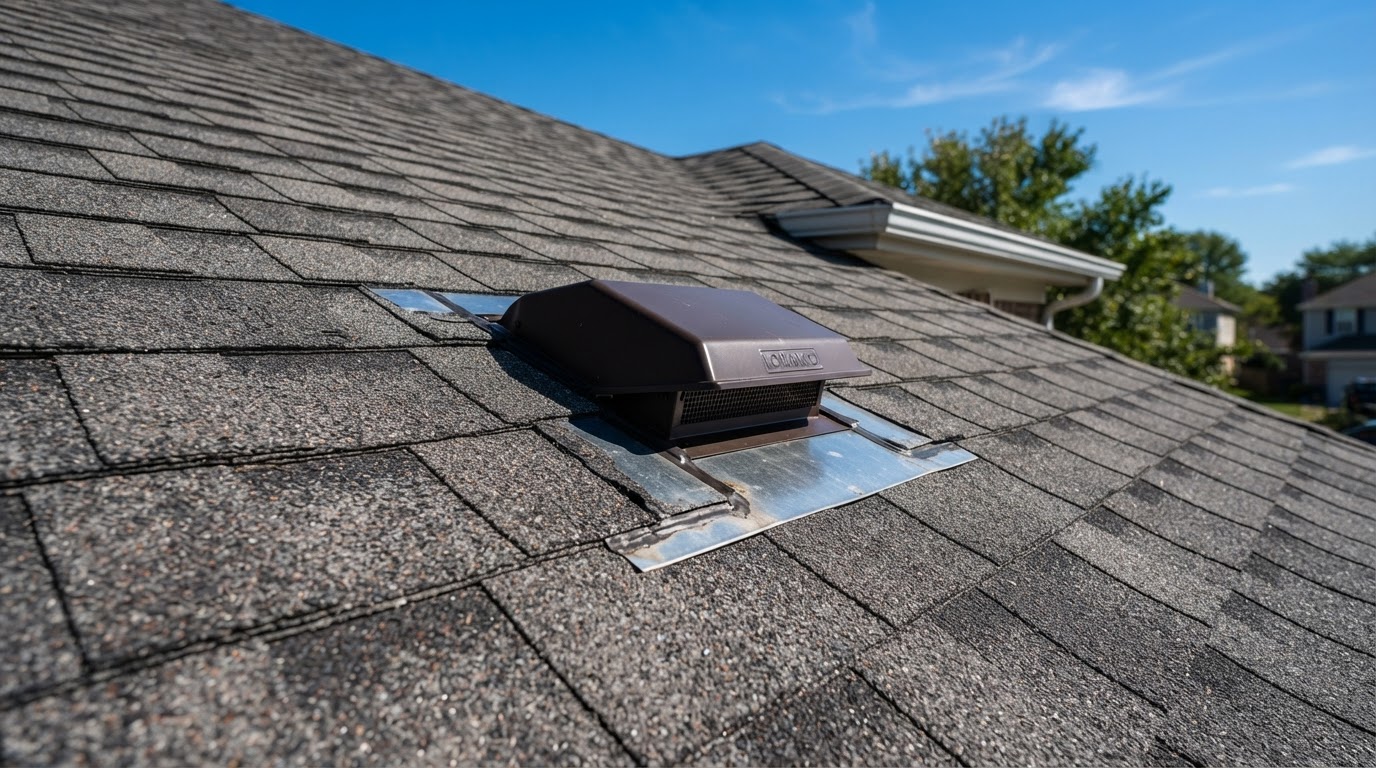
An attic’s design affects how heat, air, and moisture are managed. Blocked ventilation paths, displaced insulation, or exhaust discharging into an inappropriate location may warrant attention. The suitable correction depends on the actual roof and attic assembly. Adding vents is not a universal response to staining. Air leakage from occupied rooms, moisture sources, duct conditions, and the intended ventilation design may need evaluation together. PNNL’s moisture-flow overview explains why air movement can carry moisture through a building. Ask the contractor to identify the mechanism the proposed work addresses. A plan to add insulation should explain how existing moisture concerns and access needs will be handled, rather than simply covering the area with more material.
Access limitations are part of the roof finding
New York’s standards do not require walking a roof when that would endanger the inspector or damage the covering, and they do not require predicting the covering’s remaining life. NYS Department of State, 19 NYCRR 197-5.7. Steepness, height, wet surfaces, snow, fragile materials, or other conditions may lead to observation from the ground, windows, ladders where appropriate, or a drone. Each method has strengths and limits. A drone can provide useful aerial views but cannot feel a soft surface, uncover a concealed seam, or inspect the underside of sheathing. An attic view may be restricted by insulation, stored items, low clearance, or lack of safe flooring. The report should not imply that an access-hatch view covered every corner.
A roof finding-to-question table
Use the actual location from the report when contacting a roofer. “Check the roof” is less useful than identifying a particular skylight, valley, wall junction, or attic area.
Age is planning information, not a countdown
Roof performance varies with material, installation, exposure, maintenance, and prior repairs. A reported installation date can help you organize records and questions, but it does not establish the date of future failure. If a roofer recommends replacement, ask what observed condition supports the recommendation and whether localized correction is a suitable option. If the roofer recommends maintenance, ask what should be monitored and when another evaluation would be useful. Keep any warranty terms separate from the condition finding. Confirm transfer rules, exclusions, and the actual covered work with the issuer. A warranty document does not establish that every component is currently satisfactory.