
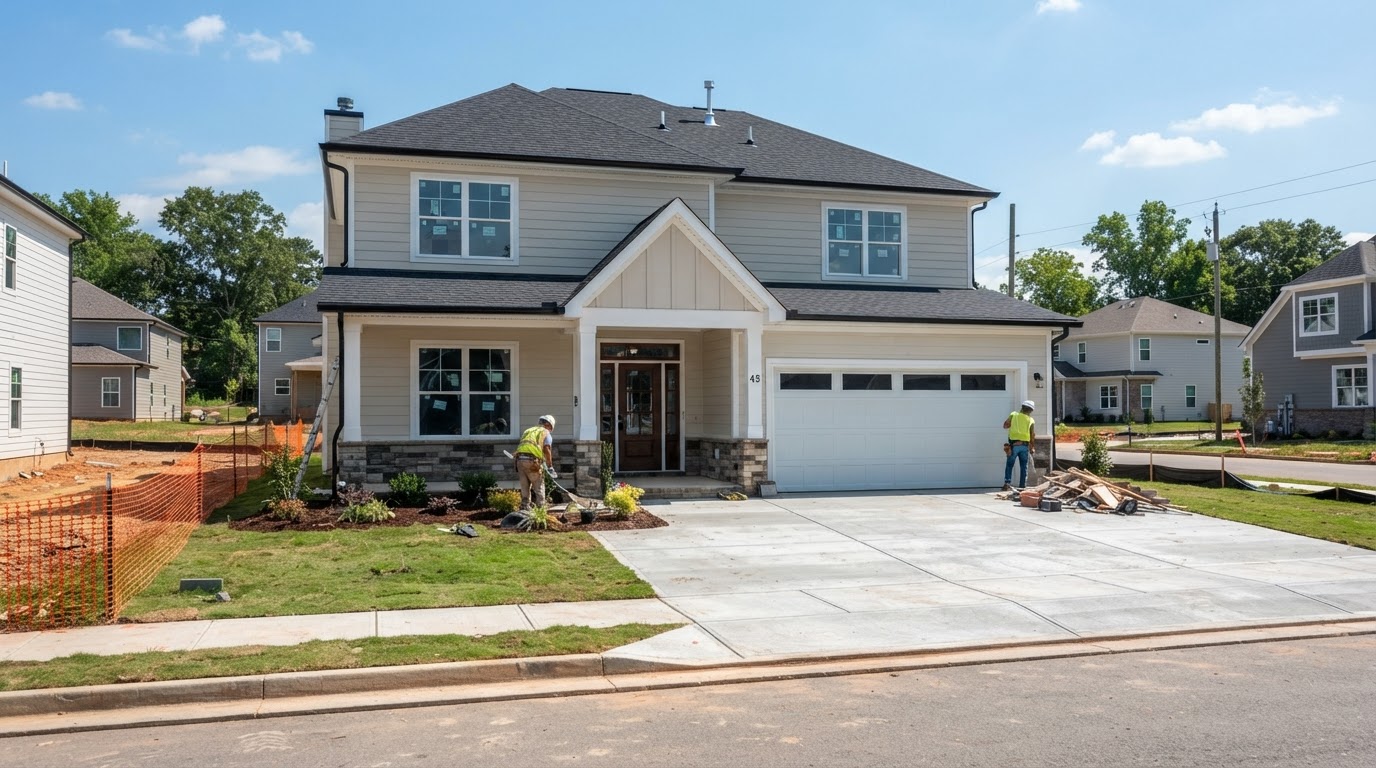
A home inspection, appraisal, insurance inspection and home warranty serve different purposes. The inspection describes accessible property conditions; an appraisal develops an opinion of value; an insurance review supports an insurer's decisions; and a home warranty is a contract with defined coverage and limits. Completing one does not establish that the others' questions have been answered. Buyers should identify who ordered each process, what it covers and what written result they will receive.
Start with the question being answered
Several professionals may visit the same house during a purchase. Their appointments can look similar from the outside, but the assignment determines what they examine and report. A person taking photographs for an insurer is not necessarily conducting a buyer's whole-house inspection. Likewise, a lender's acceptance of a valuation does not tell you that every accessible system was inspected for your planning purposes. A warranty brochure does not explain the home's current condition. The useful question is not “Has someone inspected it?” but “Which decision was that work designed to support?” STS's explanation of inspection and appraisal introduces one of these distinctions. The broader comparison below helps route questions when lending, insurance and service-contract decisions occur alongside the purchase inspection.
Compare the purpose, client and deliverable
The details vary by agreement, lender, insurer and product. Use this table as a framework for asking about the actual assignment. Ask for the exact scope when the label is ambiguous. An “insurance inspection” could refer to different assignments, and a warranty may use marketing language broader than the actual contract. The written documents matter more than the shorthand.
The home inspection is a condition review with limits
The NYS home-inspection standards define an accessible, visual framework for the inspection of specified systems and components. The inspection report should make clear what was observed, what concerns were identified and what could not be evaluated. That information can guide follow-up with trades, specialists and the buyer's advisers. It does not establish market value, determine insurance eligibility or promise that a future failure will be covered. It also does not certify every concealed installation or municipal approval. Review the STS buyer-inspection scope and the actual agreement. A buyer who needs additional testing or a specialist evaluation should arrange it explicitly. The presence of another professional in the transaction does not automatically fill an inspection limitation.
The appraisal addresses value under a defined assignment
The Consumer Financial Protection Bureau's appraisal guidance explains the lender's interest in establishing property value and notes that valuation approaches can differ. Do not assume that every financed purchase involves the same kind of on-site appraisal visit. An appraisal may describe property condition as relevant to the assignment, and a lender may raise condition-related questions. That does not make the appraisal equivalent to a home inspection commissioned for the buyer. Ask the lender what valuation and property requirements apply to the particular loan. If the appraisal and inspection use different language about condition, first compare their purposes, dates and scopes. A broad valuation description and a component-specific inspection finding may not contradict each other. Route technical findings to the appropriate evaluator and lending questions to the lender.
The insurer decides what information it needs
An insurer may request property information, photographs, records or an inspection for its own assessment. The buyer should ask the insurer or licensed insurance professional what is required, when it is required and how any requested corrections must be documented. The NAIC's consumer guide to home insurance explains that property characteristics and condition can affect insurance decisions and that policy terms determine coverage. It also distinguishes replacement cost from market value. Do not treat an appraisal figure or a home-inspection report as an automatic coverage determination. For a Long Island purchase, discuss the actual address, construction, occupancy and intended use with the insurer. A seasonal home, a property with an accessory unit or a home undergoing work may raise questions specific to the application. This article does not predict approval, premium, exclusions or the insurer's required inspection scope.
A home warranty is a contract, not a condition certificate
The FTC's explanation of home warranties describes these products as service contracts and encourages consumers to review the actual terms. Coverage can depend on the item, cause, exclusions, limits, service fees and claim procedures. Ask which systems and appliances are included, what is excluded, how a claim is authorized, who selects the service provider and what payments or limits apply. Review transfer terms if the seller is providing an existing contract. Do not assume a brochure's examples establish coverage for a known inspection finding. This discussion concerns home-service contracts commonly marketed as home warranties. It does not describe every builder warranty, manufacturer warranty or statutory protection. Those have their own terms and legal questions. If a particular benefit matters to the purchase, obtain the applicable document and professional explanation before relying on it.
Use a question-routing guide
When several processes are underway, send each question to the person positioned to answer it. The guide is not a reason to work in isolation. Share relevant reports through authorized channels so each professional has the information needed for their role. Keep the answer tied to its source instead of converting one professional's statement into a conclusion about another process.
Build a document folder with separate sections
Keep the inspection report and specialist findings together as the condition record. Keep valuation documents with the loan materials. Keep insurance quotations, written requirements and the policy together. Keep warranty terms and any transfer confirmation in their own section. For each unresolved item, record the responsible person and deadline. “The bank is handling it” may refer only to a valuation question, leaving a specialist evaluation unarranged. “The warranty covers it” should be supported by the actual terms and administrator's answer, not an assumption made at a showing. Illustrative scenario: a home appraises at a value acceptable to the lender, but the inspection identifies a water-heater installation concern. The valuation result does not resolve that concern. A plumber evaluates the installation; the attorney and agent address any transaction implications; and any warranty question goes to the contract administrator.
Different results can coexist
A property may meet one party's requirements while leaving another question unresolved. That is not necessarily evidence that a professional missed something; the assignments may differ. Compare the actual scope before drawing conclusions. Buyers should also distinguish a completed process from an affirmative result. An inspection can be complete while recommending further evaluation. A warranty can be purchased while excluding a particular item. An insurer can request more information even after a buyer has obtained an inspection report. The goal is to know which decisions have sufficient evidence and which still need an answer. STS's service information can help define the property-inspection portion of that plan without implying control over lending, insurance or warranty decisions.