
Systems and separate buildings A house with one heating system and one cooling system is a different scheduling problem from a property with several air handlers, separate guest accommodations, radiant zones, a generator, and a pool house. Do not assume a detached building is covered because it appears in the listing photographs. Identify each structure you want evaluated. The STS luxury-home service page explains why building count and system complexity should be settled before the appointment. Access and operating readiness Locked rooms, packed storage areas, disconnected utilities, and seasonal shutdowns can prevent useful testing. Access difficulty does not mean the inspector should enter an unsafe space. It means the inspection plan must acknowledge what can be reached and whether a later visit may be necessary. Ask how return visits are handled if the seller cannot provide access or operational systems. A fee that initially looks lower may leave you arranging additional work before you have the information needed for your purchase decision.
What should the base quote explain?
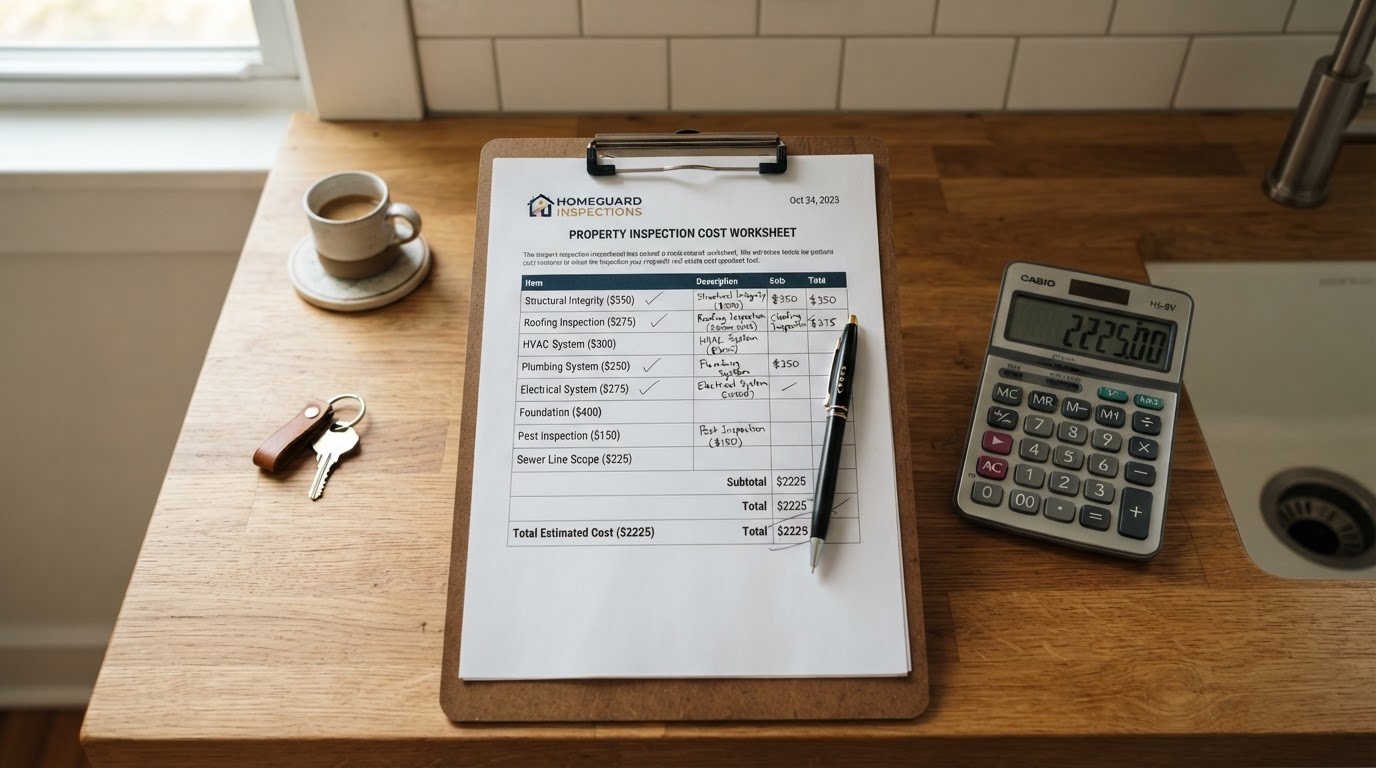
A good proposal makes it easy to connect the price to an assignment. New York’s home-inspector regulations require a written pre-inspection agreement describing the scope and associated cost. NYS Department of State, 19 NYCRR 197-4.2. The agreement should let you understand the property being inspected, included structures, services, reporting, and significant exclusions. Read it before the appointment rather than treating it as routine paperwork at the door. For a complete STS buyer home inspection, the current service description includes thermal imaging and an accessible-area termite evaluation. Visual mold observations are distinct from formal assessment or laboratory testing. Review the buyer inspection scope and confirm your actual proposal, especially when selecting additional services. Report timing also matters. STS advertises digital home inspection reports within 24 hours; confirm the timing for your property and remember that laboratory results or separate specialty reports may follow another schedule.
Compare quotes using the same questions
Ask to see a report before hiring. The STS sample-report page lets you review the intended reporting format. Look for understandable descriptions, photographs that identify locations, explanations of limitations, and specific recommendations. Page count alone is a poor measure of usefulness.
Which additional services fit this property?
Start with property features and concerns rather than automatically choosing the largest package. Underground waste piping: Ask about a sewer scope and accessible camera entry points. A scope does not evaluate an entire septic or cesspool system. Private well: Discuss a well-system evaluation and the water-quality laboratory panel separately. Pool or irrigation: Confirm whether equipment will be open, connected, and ready for operation. Chimney: Ask whether an internal flue camera evaluation is appropriate beyond the general visible review. Moisture or suspected mold: Explain the concern so the proposed investigation or sampling addresses a defined question. Not every property needs every service. A good discussion may identify an appropriate outside specialist or explain why a proposed test would not resolve the concern. Obtain the scope before assuming an add-on supplies a certification, permit review, or warranty.
Illustrative comparison: two quotes for the same address
Imagine two proposals for a house with a detached guest building and a private well. Proposal A covers only the main house. Proposal B also identifies the guest building and includes a selected water-testing panel. Neither proposal includes a sustained well-performance test. The difference is not simply that one inspector is more expensive. The proposals cover different work, and both leave a supply-performance question unresolved. Ask each provider to quote the same buildings and requested services. Then decide whether the remaining question deserves a well contractor’s evaluation. This example is hypothetical. Its lesson is practical: compare the questions answered, the evidence delivered, and the uncertainties remaining - not just the package label.
What an inspection fee does not buy
An inspection is a condition assessment within a defined scope. It does not transfer future repair costs to the inspector, predict every failure, or guarantee that a seller will agree to a credit. A higher fee also does not automatically establish better work. Evaluate whether the proposed inspection fits the property, whether the provider communicates clearly, and whether the reporting will help you arrange further evaluation. Your attorney and agent can advise how the resulting information fits the transaction.