
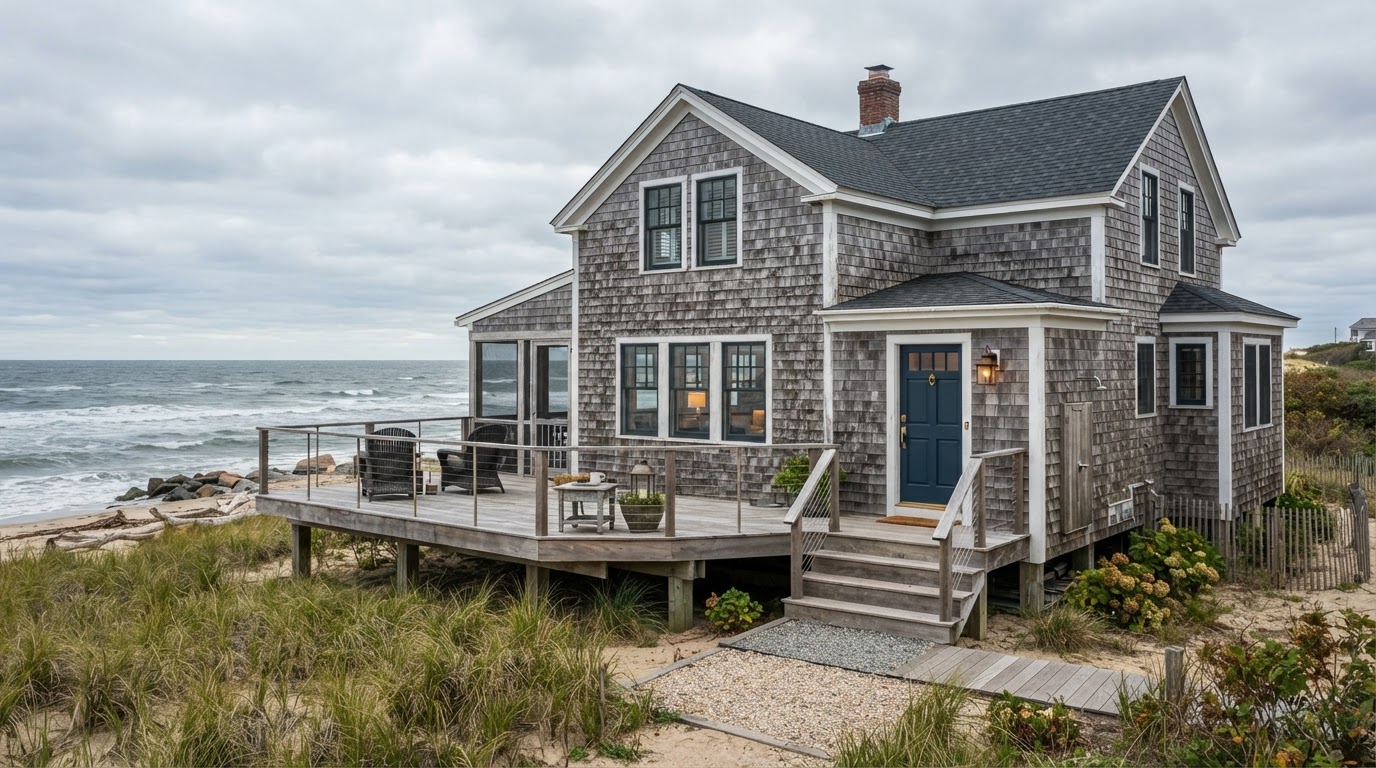
A visible gap does not establish the full water route. Water may move within an assembly before appearing indoors. Repair design may involve flashing, drainage paths, surrounding materials, and installation details that are not fully visible during a general inspection. Ask for storm-related repair records and identify which openings were affected. “Windows replaced” should be connected to a date, location, contractor, and scope rather than treated as proof that all weather exposure questions are resolved. Roofing and penetrations remain important Wind and rain can make existing weaknesses more apparent, but a general inspection is not a wind-resistance certification. The inspector should describe the roof areas viewed, methods used, visible concerns, and limitations. Pay attention to roof-wall intersections, skylights, chimneys, and penetrations where water management is complex. PNNL’s roof-flashing guidance explains the role of integrated flashing in directing water away from vulnerable junctions. The installation details may be partly concealed, so visible condition and repair records should be considered together. An aerial photograph can help document accessible views. It cannot establish every fastener, concealed membrane, connection, or interior leak path. Ask what additional evaluation is appropriate when the concern is material to the purchase.
Track two: obtain property-specific flood information
Start with FEMA’s official flood-map resources, available through the National Flood Insurance Program’s flood-zone and map explanation. Use the exact property location and ask the local floodplain administrator about the applicable effective map and any property-specific determinations or records. Do not rely solely on a listing label, a neighbor’s experience, or a screenshot without its date and context. Maps and records answer different questions from the condition inspection. An absence of visible flood damage during a visit does not establish that the property will not flood.
What an elevation certificate contributes
An elevation certificate records specified building and elevation information used for flood-related purposes. It is not the same as a home inspection report or an ordinary listing survey. FEMA’s elevation-certificate guidance recommends starting with the local floodplain manager to ask whether a certificate is already on file. If a new one is needed, an appropriately qualified surveyor, engineer, or architect may be required. Ask your insurer and local official which information applies to the property and purpose. Do not assume a certificate automatically resolves every insurance or compliance question. Confirm that it describes the relevant building and current configuration, and have the appropriate professional explain any changes since it was prepared.
Below-building spaces need particular clarity
An enclosure, crawl space, or lower-level area may contain finishes, storage, equipment, or openings with specific purposes. Ask what the space is approved for and which flood-related requirements apply before planning changes. A moisture-control contractor may recommend sealing an opening, while a flood-related requirement may call for an opening to remain functional. The correct resolution requires property-specific professional review. Do not block or modify openings solely because they resemble ordinary ventilation vents. Similarly, equipment placement and previous storm repairs should be documented. A newer furnace or electrical component may reflect routine replacement or a prior event; records help establish the history without guessing.